

REVIEW · AL ZUBARAH FORT & THE NORTH
Doha North Tour Zubara Fort Jumail Village Purple Island
Crisp sea air, old stones, and purple islands. This north Qatar tour links Zubara Fort with abandoned coastlines, then finishes at Purple Island and Al Khor’s fish harbour in about four hours. You get a simple route, a real sense of place, and stops that teach you why people lived and worked here.
I especially love how the day mixes big landmarks with quieter archaeology. Zubara Fort gives you the story of Qatar’s old pearl trade era, and Jumail Village adds the human-scale feeling of stone houses, wells, and paths long gone from daily life. The guidance also stands out, with guides like Faisal (great with photos) and Addi (clear, helpful explanations) making each stop easier to enjoy.
One possible drawback is the time is tight at most stops. Zubara Fort, Jumail Village, and Al Khor fish harbour are each about 30 minutes, so if you like slow walking and long photo sessions, you may want to arrive with your must-see spots in mind.
In This Review
- Key Points You Will Care About
- North Qatar in Four Hours, From Fort Walls to Fish Market Views
- Entering Zubara Fort Archaeological Site, Where the Pearl Trade Had a Watch
- Jumail Village Ruins, Quiet Stone Houses and Old Water Paths
- Purple Island (Al Khor Island), Mangroves, Wildlife, and the Purple Dye Clue
- Al Khor Fish Harbour, A Real Port Stop with Seafood Market Energy
- How Guides Like Faisal, Addi, and Asim Shape the Day
- Pickup, Private Group Time, and the Simple Value Math
- Who This Tour Suits Best (and Who Should Reconsider)
- When to Book It, and My Final Take on Should You Go
- FAQ
- How long is the Doha North Tour?
- Does the tour include pickup?
- Is the tour private?
- How much does it cost per person?
- Are there admission tickets to pay at the stops?
- What is the cancellation window?
- What stops are included on this tour?
Key Points You Will Care About

- UNESCO-listed Zubara Fort plus museum-style context in a compact 4-hour route
- Free admission at each listed stop, so you focus on experience, not ticket math
- Jumail Village lets you see the layout of an abandoned fishing and pearling community
- Purple Island connects mangroves, wildlife, and purple dye-making using murex snails
- Al Khor fish harbour shows local maritime life with an active seafood market feel
- Guides named Faisal, Addi, and Asim are praised for friendly help and picture support
More runs north to Al Zubarah and the empty villages
- Full Day Tour to Qatar North And West With Pickup From Doha★ 4.9 · 371 reviews
- North Qatar Half-Day Tour: Al Zubarah, Purple Island & Mangroves★ 5.0 · 337 reviews
- From Doha: Day Trip to North And West Qatar With Pickup★ 4.9 · 336 reviews
- North Qatar Tour | Zubara Fort | Purple Island | Mangros Colony★ 5.0 · 323 reviews
North Qatar in Four Hours, From Fort Walls to Fish Market Views
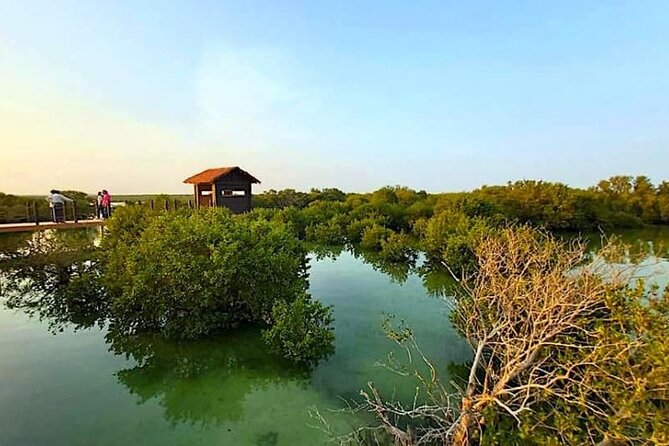
This tour is built for people who want more than a quick photo stop. You drive through northern Qatar’s coastal story, then you walk, look, and learn at the places that shaped daily life on this side of the peninsula.
The structure is simple: a heritage fortress first, then an abandoned village, then an island nature break, and finally an Al Khor seafood stop. It is a private tour, so you get your own group time, and pickup is offered, which helps if you do not want to stitch together transportation on your own.
The big win is variety. You get heritage (Zubara), archaeology (Jumail), nature and dye history (Purple Island), and a real working port atmosphere (Al Khor fish harbour). The day is short, but it does not feel empty.
Entering Zubara Fort Archaeological Site, Where the Pearl Trade Had a Watch
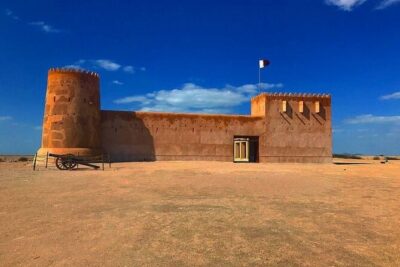
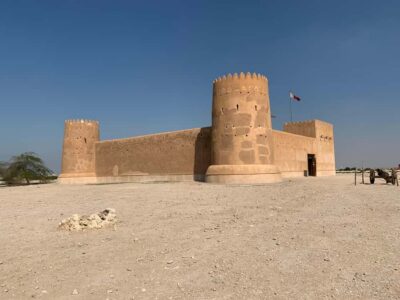
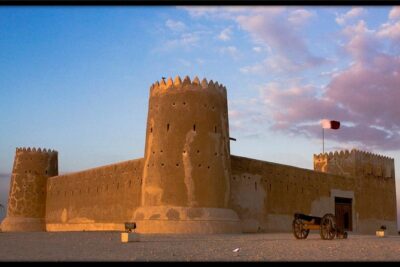
Zubara Fort is the anchor stop, and for good reason. This historic fortress, built in 1938, stands on Qatar’s northwest coast and was originally made to protect the region’s pearl trade. Today it works as a museum space, so you can connect the fort’s walls and watchtowers to what they were built to guard.
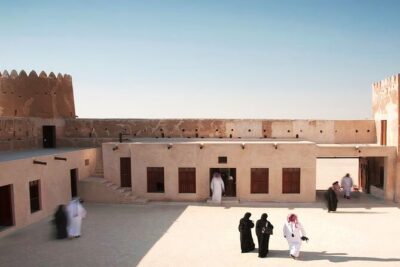
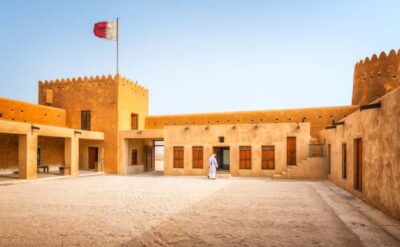
You will notice how the layout helps you understand the place fast. The walls, watchtowers, and central courtyard give you the bones of the site. Even if you do not read every sign, you can still get the idea of defense and control, especially in a coastal setting where ships mattered.
This stop is also tied to UNESCO World Heritage status through the Zubara Archaeological Site. That UNESCO layer matters because it signals the site is not just old, it is historically significant and preserved for learning.
Drawback to plan for: the stop is about 30 minutes. If you want to go slow, focus on the courtyard and one or two key views from around the fort so you do not burn time wandering.
Jumail Village Ruins, Quiet Stone Houses and Old Water Paths
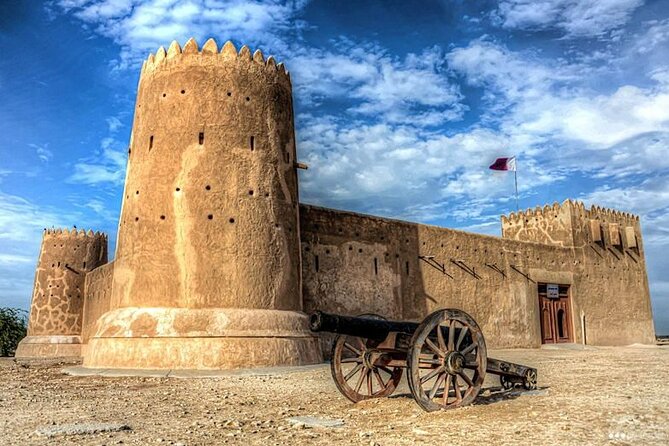
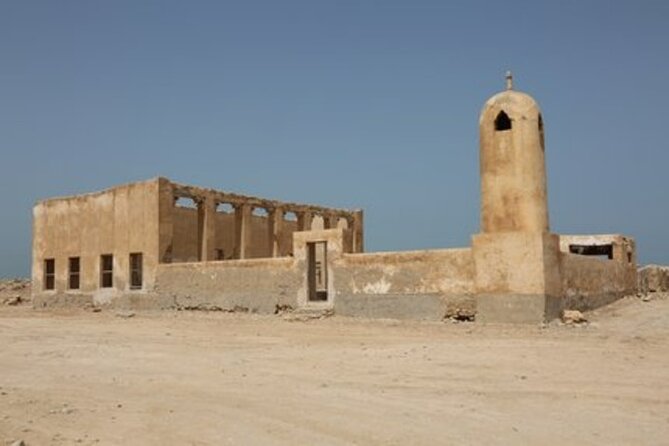
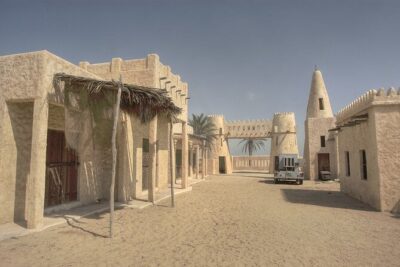
Next comes Al Jumail, an abandoned settlement near Zubara Fort on Qatar’s northwest coast. The key word here is lived-in. The village includes traditional stone-built houses, plus remnants of a mosque, wells, and pathways, so it feels like you are walking the outline of daily life rather than just looking at isolated walls.
It is known for fishing and pearling industries, which makes the connection to Zubara feel logical. Zubara was about protection for trade. Jumail was about work and community. Put together, you get a fuller picture of how people lived along this coastline.
What I like about Jumail is the pace. You are not racing from one “photo spot” to another. The setting is peaceful and remote, and that helps the ruins land emotionally. It is easier to imagine conversations near wells and routines around homes.
Another practical note: the visit is about 30 minutes. For most people that is enough to see the main remnants, take a few photos, and absorb the layout. If you prefer guided storytelling, ask your guide to point out what looks like the most important building remains.
Other paddles through the Al Thakhira mangroves


Purple Island (Al Khor Island), Mangroves, Wildlife, and the Purple Dye Clue
Purple Island, also known as Al Khor Island, is where the tour turns from built heritage to nature. The island is known for mangrove forests and wildlife, and it is also tied to an older production story: purple dye made from murex snails found in the area.
That dye detail is one of the smartest pieces of context you can carry with you. It reframes the island from a scenic break into a place with a specific human use. Even if you only have about an hour here, you can still connect what you see in the environment to why people would care about this ecosystem.
The island also has archaeological traces that suggest early settlements. So even though it feels like a nature stop, it still fits the tour’s theme: people shaped and used these coastal environments.
One thing to consider: you have about an hour. If you want long walking time among mangroves or extra birdwatching, you may feel a bit rushed. Still, for many visitors, this is the right amount to reset your brain after the fort and ruins.
Practical tip: wear comfortable shoes. The island experience is more about walking and looking than standing still.
Al Khor Fish Harbour, A Real Port Stop with Seafood Market Energy
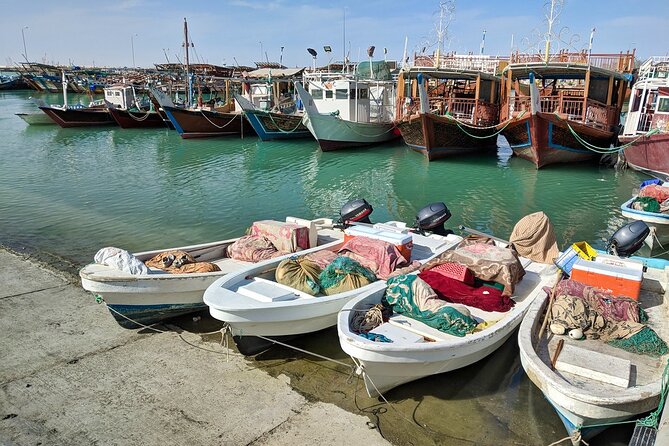
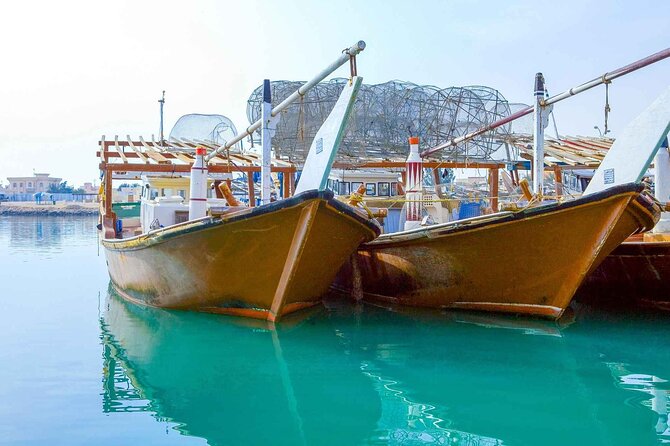
Al Khor Fish Harbour is the final stop, and it is a good choice for ending the day. This is a key fishing port in Al Khor, and the vibe is tied to what happens there every day: fish market activity, traditional fishing, and fresh catches like fish and crabs.
You get a view of the Arabian Gulf too, which helps connect everything you saw earlier. The fort protected trade linked to what ships brought and what people harvested. The island shows environment and older production. The fish harbour brings it back to present-day maritime life.
What I like here is the contrast. After ruins and archaeology, this stop gives you motion. You can look at boats, chat with market workers if you have the language skills, and simply watch how the port operates.
Time is about 30 minutes. Use that window to choose your priorities early: market browsing for photos, a quick look at the seafood side, or views from the harbour edge.
How Guides Like Faisal, Addi, and Asim Shape the Day
The tour’s reputation is not just about the sites. It is also about how the guides make them understandable and easy to enjoy.
Faisal is specifically praised for being accommodating and helping with pictures, and for being friendly while sharing solid local knowledge. That matters because many people feel awkward at archaeological places, like they are missing the point. A guide who points out what to watch for turns the time into something you actually remember.
Addi gets credit for being very informative and for expert guidance. That is especially helpful on a route like this, where the story jumps from fort defense to abandoned village life to island ecology and dye history.
Asim is also praised for a friendly approach and for useful information. In practice, that means you spend less time guessing and more time enjoying.
One small but real advice: if you care about photos, tell your guide early. Getting your angles right is easier when the guide knows what you want.
Pickup, Private Group Time, and the Simple Value Math
This is a private tour/activity, so only your group participates. That tends to make a huge difference on short itineraries like a four-hour route. You are not stuck waiting around for other people, and you can move at a pace that fits your interests within the schedule.
Pickup is offered, which is the kind of detail that saves energy. Instead of coordinating transport across different stops, you get a single plan that loops through northern Qatar.
Pricing is $130 per person. For a four-hour experience that includes a guided route across multiple major sites, plus pickup and free admission at the listed stops, the value is about what you save in time and confusion. You are essentially paying for a guided “story route” plus transport convenience, not paying extra entry fees.
Group discounts are offered too, which can make it better if you are traveling with friends or family. And you get a mobile ticket, which usually means less fuss on the day of the tour.
My practical read: it is a good fit if you want northern Qatar coverage in one shot. If you are the type who wants to spend half a day at a single site with no structured stops, you might find the pace short.
Who This Tour Suits Best (and Who Should Reconsider)
I think this tour fits best if you want a guided overview of northern Qatar that still touches the real highlights. It is great for history-minded visitors, photo lovers, and people who like mixing built heritage with nature.
If you are traveling with limited time, this is a smart way to cover several key locations without planning a route day by day. It also works well for first-time visitors who want context, because the stops are connected by clear themes: protection and trade at Zubara, daily life in Jumail, environmental use and dye history at Purple Island, and maritime life in Al Khor.
Who should reconsider? If you hate time-boxed visits, this one may feel a bit rushed. With about 30 minutes at Zubara Fort, Jumail Village, and Al Khor fish harbour, you have to accept quick looks. Also, if your heart is set on long hikes or extended time on the island, the one-hour Purple Island window might not be enough.
When to Book It, and My Final Take on Should You Go
Book it if you want a focused northern Qatar day that connects several important places without the stress of navigating between them. The combination of UNESCO-linked heritage, abandoned settlement remains, an island nature stop tied to purple dye history, and a working fish port makes this more interesting than a typical single-site tour.
Skip it or consider another format if you prefer unstructured time. This tour works because it is tight and efficient, but that efficiency is the tradeoff.
If you do book, I’d do two things to get the most out of it: wear comfy walking shoes, and tell your guide what you care about most, photos, history, or nature. With the guide support that people highlight, you will likely leave with clearer stories, better photos, and a real sense of why north Qatar matters.
FAQ
How long is the Doha North Tour?
It runs for about 4 hours.
Does the tour include pickup?
Pickup is offered.
Is the tour private?
Yes, it is private, with only your group participating.
How much does it cost per person?
The price is $130.00 per person.
Are there admission tickets to pay at the stops?
The listed stops show admission ticket free.
What is the cancellation window?
Free cancellation is available if you cancel up to 24 hours in advance for a full refund.
What stops are included on this tour?
You visit the Al Zubarah Archaeological Site (Zubara Fort), Al Jumail, Purple Island (Al Khor Island), and Al Khor Fish Harbour.
Everything Else We Have Reviewed in Qatar
- Qatar Gold Dune Safari, Dune Bashing,Camel Ride,Sand Boarding,Inland Sea Desert
★ 5.0 · 2,807 reviews





More Paddling at Purple Island



Al Zubarah and the North, More Trips
Recently reviewed around Qatar
- Private Wakesurfing or Wakeboarding along Doha’s skyline
★ 5.0 · 3 reviews - Doha: West Coast Tour Sculpture,Camel Racing Track Rock Formation
★ 5.0 · 3 reviews - Sunset Keshta at Zekreet | Art, Adventure & Arabian Picnic
★ 5.0 · 3 reviews - Qatar West Coast Zkreet Richard Sierra Camel Track Rock Formation
★ 5.0 · 3 reviews - Private Tour to Zubara Fort Purple Island and Olafur Eliasson
★ 5.0 · 3 reviews
Al Zubarah Fort & the North, compared.
 ★ 4.9Full Day Tour to Qatar North And West With Pickup From DohaFrom $66371 reviews
 ★ 5.0North Qatar Half-Day Tour: Al Zubarah, Purple Island & MangrovesFrom $50337 reviews
 ★ 4.9From Doha: Day Trip to North And West Qatar With PickupFrom $71336 reviews
 ★ 5.0North Qatar Tour | Zubara Fort | Purple Island | Mangros ColonyFrom $77323 reviews
★ 5.0Full Day Tour to Qatar North And West With Pickup From DohaFrom $140288 reviews
★ 5.0North Qatar Tour | Zubara Fort | Purple Island | Mangros ColonyFrom $77323 reviews
★ 5.0Full Day Tour to Qatar North And West With Pickup From DohaFrom $140288 reviews
 ★ 4.9Doha North Qatar Tour Zubara Fort, Mangroves, Jumail VillageFrom $59267 reviews
 ★ 5.0Full Day Qatar’s North And West tour || History & HeritageFrom $165229 reviews
 ★ 5.0Full-Day Tour Qatar North And WestFrom $153160 reviews
Browse the lists this tour appears in