
REVIEW · AL ZUBARAH FORT & THE NORTH
Doha-Qatar North Tour, Zubara Fort, Mangroves, purple island
North Qatar feels like a lost century. I love how this private tour links Al Khor Harbour and Zubara Fort to Qatar’s pearling and fishing past, while keeping the day structured and easy from Doha. It is a focused route that moves from coast to fort to ruins without the stress of planning.
Your second win is nature time: Al Thakira Mangroves Forest and nearby Purple Island slow the pace with calm water, wildlife you might spot, and photo-friendly scenery. One consideration: the full trip is about 270 minutes total, so it is highlights and guided walks rather than long hang time at each stop.
In This Review
- Key moments to look forward to
- North Qatar, in one compact half day from Doha
- Pickup, timing, and how the 270 minutes plays out
- Al Khor Harbour: where old pearl work and fishing meet the present
- Al Thakira Mangroves and Purple Island: quiet nature with a built-in story
- Zubara Fort: UNESCO walls that explain why this region mattered
- Al Jumail Abandoned Village: ruins that feel human at walking pace
- The $71-per-person value: why this price makes sense
- What to expect on the ground: guides, comfort, and small realities
- Who this tour is best for
- Should you book this North Qatar North Tour?
Key moments to look forward to
- A private SUV drive with a certified multilingual guide: English, Hindi, or Arabic, plus Wi-Fi on board.
- Al Khor Harbour’s old coastal economy: the area’s role in pearling and fishing, with historic-style dhow boats alongside modern ones.
- Al Thakira mangroves and Purple Island: a large mangrove forest you can explore, plus a separate island stop right beside it.
- Zubara Fort UNESCO World Heritage site: a classic Arab fort that tells you why this region mattered.
- Al Jumail abandoned village: walk through ruins tied to an older Qatari settlement at Zubara.
More runs north to Al Zubarah and the empty villages
- Full Day Tour to Qatar North And West With Pickup From Doha★ 4.9 · 371 reviews
- North Qatar Half-Day Tour: Al Zubarah, Purple Island & Mangroves★ 5.0 · 337 reviews
- From Doha: Day Trip to North And West Qatar With Pickup★ 4.9 · 336 reviews
- North Qatar Tour | Zubara Fort | Purple Island | Mangros Colony★ 5.0 · 323 reviews
North Qatar, in one compact half day from Doha
This tour is built for people who want a real feel for Qatar beyond Doha’s skyline. You start with pickup in Doha and head north into an older rhythm of life, where the coast mattered, forts were power centers, and communities formed around sea work. Instead of bouncing randomly between stops, the route is designed to connect the dots between maritime Qatar and the Zubara area.
I especially like that the experience is guided throughout, not just at the big-ticket sites. Your guide also helps you understand what you are seeing along the road, so Al Khor and Zubara stop feeling like unrelated photo ops. Several named guides have been praised for pacing and storytelling, including Ali, Arum, Huzaifa, Muzzi, Anwar, Bashaar, and Muhammad.
With a private group, you also tend to get a more comfortable tempo. You can ask questions in your chosen language, and the day stays flexible around small needs like photo stops. That matters on a route with five distinct locations and a set return to Doha.
Pickup, timing, and how the 270 minutes plays out
The tour runs for about 270 minutes, which is roughly four and a half hours. That time covers pickup and drop-off, plus guided visits at multiple stops and driving between them in a private newly SUV vehicle (jeep/SUV).
Here is the practical flow: after pickup, you drive toward Al Khor (about 35 minutes). Then you spend guided time at Al Khor (about 35 minutes), head to Al Thakira Mangroves Forest (about 35 minutes), then continue to Purple Island (about 35 minutes). Zubara Fort is the longest guided stop (about 65 minutes), followed by Al Jumail Abandoned Village (about 35 minutes). Finally, you return to Doha (about 35 minutes).
That pacing is ideal if you like structure and you want to see a lot without feeling exhausted. It can feel quick if you want long, silent wandering at every site. The best strategy is to use the guided walk to learn fast, then spend any spare minutes on photos, viewpoints, and casual questions.
Also note this is a private group. That usually means fewer interruptions and less waiting around than group tours, especially at places where people tend to cluster.
Al Khor Harbour: where old pearl work and fishing meet the present
Al Khor Harbour is the kind of stop that changes how you interpret the whole region. This is described as the center of fishing and pearling in old times, and the harbour still lets you picture that maritime economy. Even if you mostly came for Zubara, Al Khor gives the background that makes Zubara click.
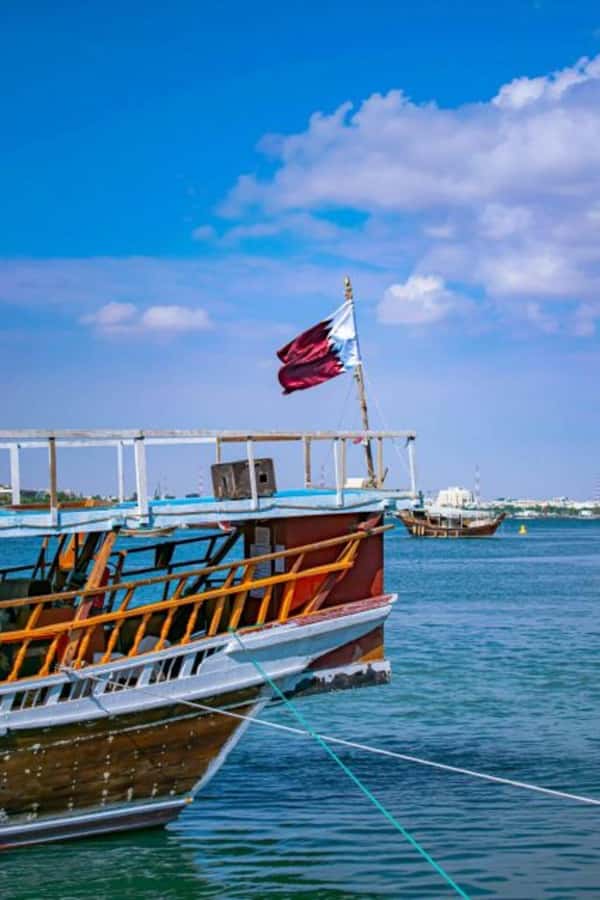
You get guided time in Al Khor, and the harbour experience includes both historic-style dhow boats and modern boats. That contrast is useful. It shows continuity, not just a museum version of the past. It also makes for great street-level atmosphere, since harbour areas tend to feel busy even when you are not looking for crowds.
If you like local detail, this stop is worth paying attention to. The guide can explain how the coast supported livelihoods and why travellers moved through the Gulf for earning work connected to the sea. When you then reach Zubara Fort, you will likely see it as more than impressive walls. You will see it as part of a working system.
One small practical tip from the real-world experience side of this tour: wear comfortable modest clothing for easier confidence if you step into areas where people expect that. Some guests have mentioned modest clothing especially when a snack or drink stop happens.
Other paddles through the Al Thakhira mangroves

Al Thakira Mangroves and Purple Island: quiet nature with a built-in story
After the harbour, the day changes texture. Al Thakira Mangroves Forest is described as one of the largest mangrove forests in Qatar, and it is right by Purple Island. The guide usually frames this as both an ecosystem visit and a place with local context, so you do not just walk and take photos.
Mangroves are special because they act like a living buffer between land and sea. In practical terms, you often get calmer water views, shaded walking, and a sense of slow movement compared to the open coastal drive. The tour emphasizes that the forest is home to many animals. You might spot birds or other wildlife depending on the day and light, and even when you do not, the setting still feels different from the fort and ruins.
Then comes Purple Island, included as its own stop. Since the tour ties Purple Island to the mangrove area, it helps you understand the region as a connected coastal habitat rather than random dots on a map. One reason this combo is so popular is that it breaks the fort-and-fishing pattern. You get nature time that feels peaceful and gives you a mental reset before the UNESCO site.
The only drawback to keep in mind is time. Each nature stop is around 35 minutes guided. That is enough for a meaningful look, but it is not meant for a long, slow nature hike. If you want a deeper nature session, you would likely need a longer independent visit. For what this tour is, the mangroves and Purple Island provide a perfect change of pace.
Zubara Fort: UNESCO walls that explain why this region mattered
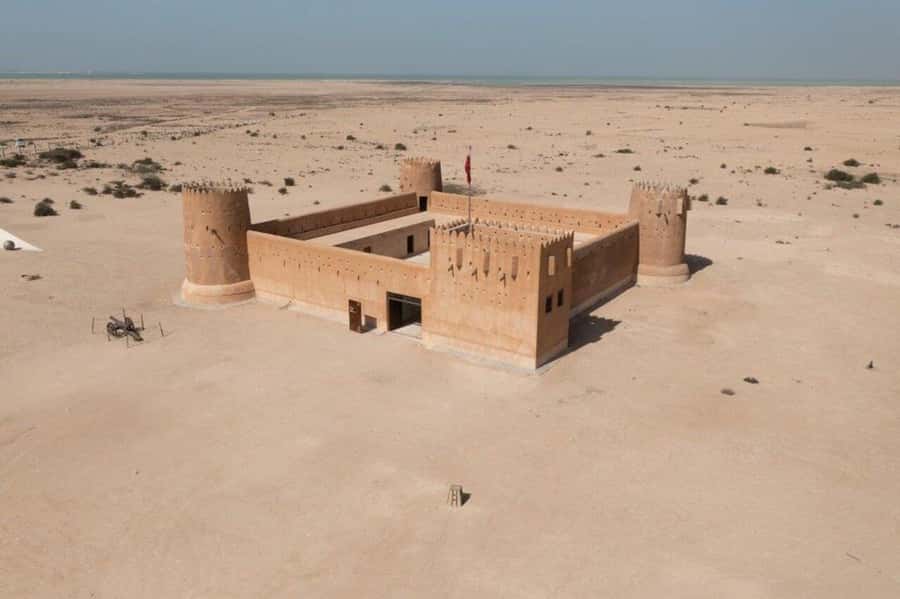
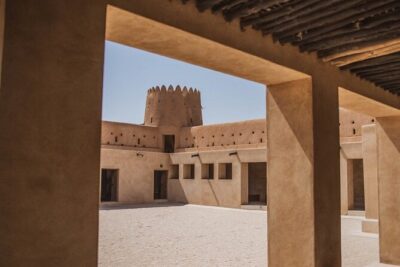
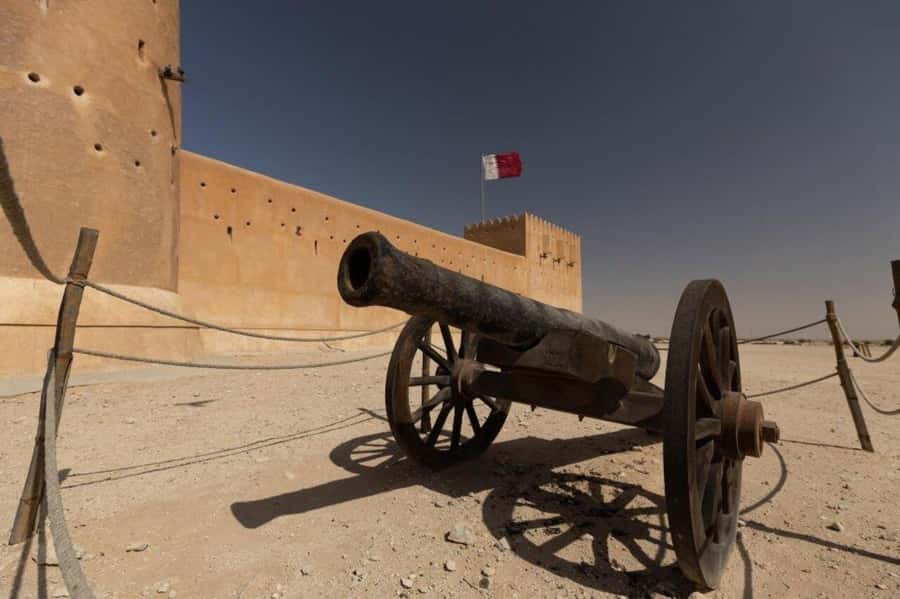
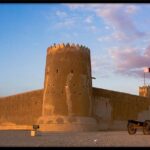
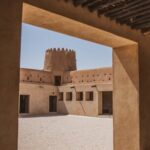
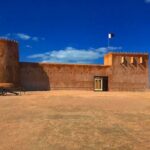
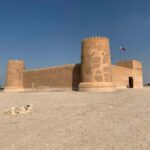
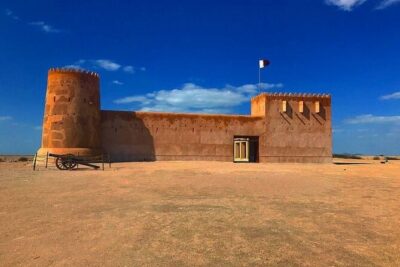
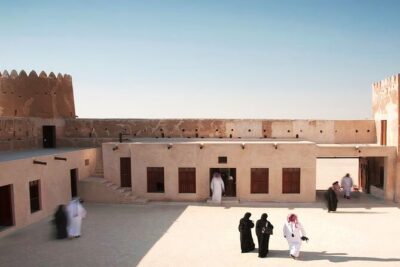
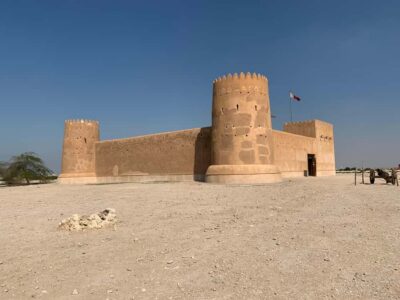
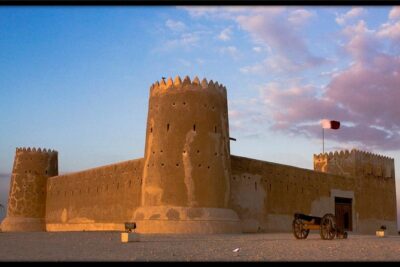
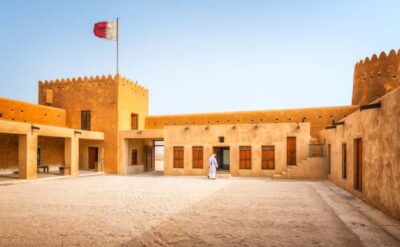
Zubara Fort is the headline stop. It is a UNESCO World Heritage site, and the tour frames it as a strong example of typical Arab forts from earlier times in the region. Your guided time here is about 65 minutes, which gives room for real interpretation, not just a quick glance.
What makes this stop powerful is how forts work as history lessons. They show control, trade, defense, and community organization all in one place. The tour also highlights that the site explains a lot about when and how Zubara became an archaeological site. That matters because you are not just learning about the fort’s look. You are learning what the site represents in the bigger story of Qatar’s development.
In the feedback from multiple guides, a common theme is strong storytelling at Zubara. Guides such as Ali and Huzaifa have been praised for explaining the fort’s history and architectural features, plus the surrounding views and the wider regional trade context. That is exactly what you want from a fort visit. You want to see the structure clearly, then understand why people cared enough to build and defend it here.
Another practical win: this stop tends to be photo-worthy. Even if you only care about pictures, 65 minutes is enough to capture the fort from different angles and to look for details that you might miss in a shorter visit.
If you are sensitive to walking, note that forts and ruins often involve some uneven ground. The tour is still manageable for most people, especially with a guide who sets the pace and keeps you moving at a comfortable rhythm.
Al Jumail Abandoned Village: ruins that feel human at walking pace

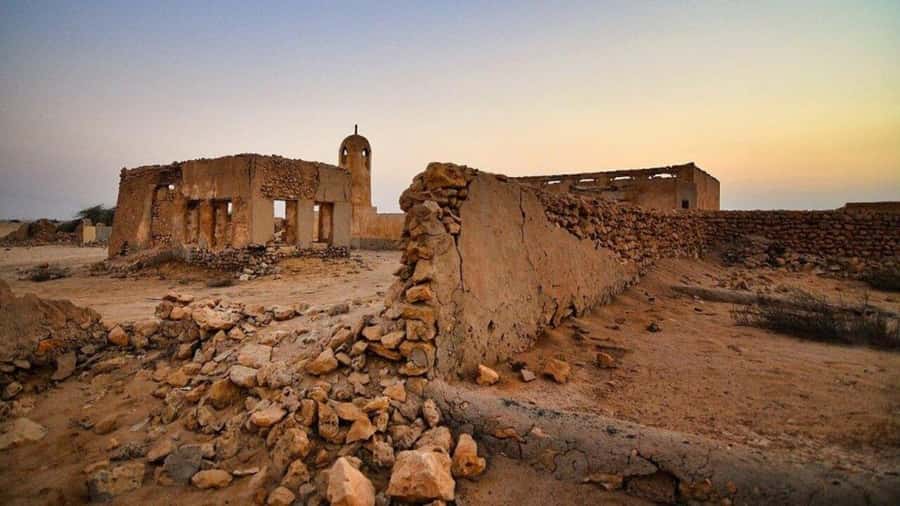
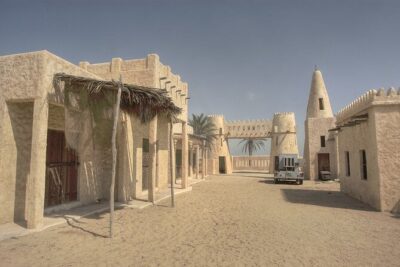
After Zubara, you shift from UNESCO fort to something more emotionally direct: Al Jumail Abandoned Village. It is described as an old traditional Qatari village of Zubara, and it functions like a time capsule. Your guided time here is about 35 minutes.
What I like about including an abandoned village in the same route is that it adds scale. A fort tells you about power and planning. A village tells you about everyday life, work patterns, and how people lived with the sea nearby. Even though the site is now in ruins, the guide’s storytelling makes it easier to imagine how the place once functioned.
Some guides, like Huzaifa, have been praised for painting vivid pictures of the village’s former vibrancy. Others, including Ali, have helped guests connect the ruins to broader heritage themes. That storytelling is important because ruins can otherwise feel like a random scatter of stones. With the right guidance, you start noticing patterns and thinking about where people might have worked, met, and lived.
From a pacing perspective, 35 minutes is a decent amount. You get time for a slow guided walk, and you are not rushed through the emotional part. Still, it is not a long excavation-style tour. Think of it as a meaningful look with context, not a deep archaeological lecture.
If you like photography, ruins can be very rewarding. The best photos usually come from taking your time to find a viewpoint, then letting the guide’s explanation help you frame what you are seeing.
The $71-per-person value: why this price makes sense
This tour is priced around $71 per person, and the value comes from what is bundled, not from a single standout item. You get:
- Pickup and drop-off across Doha
- A private newly SUV vehicle
- A certified guide in Arabic, English, or Hindi
- Insurance
- Refreshments
- Wi-Fi on board
For a route that covers Al Khor Harbour, Al Thakira Mangroves Forest, Purple Island, Zubara Fort, and Al Jumail Abandoned Village, the biggest cost driver is usually the transportation plus a guide who can keep the whole day coherent. Public transport cannot really do that kind of coastal-to-fort loop in a smooth way, and self-driving means you would need to manage navigation and interpretation on your own.
Another value point: the reviews give a consistent signal about guide quality and pacing. Multiple named guides were specifically praised for being friendly, patient, and informative. Arum, Ali, Huzaifa, Muzzi, and Bashaar were mentioned for turning the route into an experience that works for adults and kids. That matters because Zubara and the village are not just sightseeing. They are places where interpretation turns photos into understanding.
If your group values comfort, private transport, and guided context, $71 can feel fair. If you are traveling solo and only want one or two stops, you might find cheaper options elsewhere, but you would likely sacrifice the full north loop.
What to expect on the ground: guides, comfort, and small realities
Because this is a private guided tour, you should expect a smooth day structure rather than improvisation. The guide’s role is central: they handle explanations, timing, and the small decisions that make each stop feel connected.
Wi-Fi on board is a nice extra for keeping kids entertained during driving time or for sharing pictures right away. Refreshments are included, but food is not. So if you are the type who gets hungry mid-afternoon, plan ahead. Some guests have even mentioned stopping for something like karak tea when it fits the moment, which can be a fun way to add a local touch.
Also keep clothing in mind. One review suggested wearing modest clothing, especially if you stop for a snack or drink. That is practical advice for Qatar, and it also makes your life easier when you move between harbour areas, fort sites, and village ruins.
In terms of mobility, the tour is listed as wheelchair accessible. That is a big plus for people who need an accessible plan. As always, with forts and ruins, the exact ease of movement can vary by ground conditions, but the operator has included accessibility in the offering.
Who this tour is best for
This North Qatar tour from Doha is a strong match if you want:
- A quick but meaningful look at the north coast
- A route that connects maritime Qatar to the Zubara heritage sites
- A guide who can answer questions in Arabic, English, or Hindi
- A private SUV day that feels comfortable for families
It also works well for mixed-age groups. Several experiences praised guides for being patient with children and for keeping the pace balanced. If you are traveling with older parents, the private vehicle and shorter guided blocks at each stop can feel manageable.
If you are a hardcore wildlife or archaeology fanatic, you might want extra time at fewer sites. But for most visitors who want context, this is one of the better ways to see the region efficiently without turning the trip into a checklist.
Should you book this North Qatar North Tour?
I would book it if your goal is to experience the north of Qatar in one compact day, with guided context at Zubara Fort and a nature break at Al Thakira Mangroves Forest plus Purple Island. At $71 per person, the private transportation, certified guide in multiple languages, insurance, refreshments, and Wi-Fi make it a practical value choice.
Skip it only if you dislike structured tours or you want long self-directed time at each location. With 270 minutes total, you need to be okay with highlights. If that sounds right, this is a smart way to trade Doha traffic and generic viewpoints for a connected story of coast, trade, fort life, and village ruins.
Everything Else We Have Reviewed in Qatar
- Qatar Gold Dune Safari, Dune Bashing,Camel Ride,Sand Boarding,Inland Sea Desert
★ 5.0 · 2,807 reviews





More Paddling at Purple Island

Al Zubarah and the North, More Trips
Recently reviewed around Qatar
- Private Wakesurfing or Wakeboarding along Doha’s skyline
★ 5.0 · 3 reviews - Doha: West Coast Tour Sculpture,Camel Racing Track Rock Formation
★ 5.0 · 3 reviews - Sunset Keshta at Zekreet | Art, Adventure & Arabian Picnic
★ 5.0 · 3 reviews - Qatar West Coast Zkreet Richard Sierra Camel Track Rock Formation
★ 5.0 · 3 reviews - Private Tour to Zubara Fort Purple Island and Olafur Eliasson
★ 5.0 · 3 reviews
Al Zubarah Fort & the North, compared.
 ★ 4.9Full Day Tour to Qatar North And West With Pickup From DohaFrom $66371 reviews
 ★ 5.0North Qatar Half-Day Tour: Al Zubarah, Purple Island & MangrovesFrom $50337 reviews
 ★ 4.9From Doha: Day Trip to North And West Qatar With PickupFrom $71336 reviews
 ★ 5.0North Qatar Tour | Zubara Fort | Purple Island | Mangros ColonyFrom $77323 reviews
★ 5.0Full Day Tour to Qatar North And West With Pickup From DohaFrom $140288 reviews
★ 5.0North Qatar Tour | Zubara Fort | Purple Island | Mangros ColonyFrom $77323 reviews
★ 5.0Full Day Tour to Qatar North And West With Pickup From DohaFrom $140288 reviews
 ★ 4.9Doha North Qatar Tour Zubara Fort, Mangroves, Jumail VillageFrom $59267 reviews
 ★ 5.0Full Day Qatar’s North And West tour || History & HeritageFrom $165229 reviews
 ★ 5.0Full-Day Tour Qatar North And WestFrom $153160 reviews
Browse the lists this tour appears in