
REVIEW · AL ZUBARAH FORT & THE NORTH
Doha: Zubara UNESCO Site, Mangroves & Jumail Village
North Qatar does not feel like Doha. In a single half-day you get UNESCO Al Zubara Fort plus the mangrove boardwalk scenery, all with an English-speaking guide doing the storytelling for you. I like the mix of old pearl-trading sites and living coastal nature, but one drawback to plan for is that meals are not included.
What makes this tour click is how smoothly it’s paced for a short day out of the city. I especially enjoy the tea stop at the fort, and the fact that you are chauffeured by air-conditioned car the whole way, so you can focus on photos and questions, not directions. Also, some walking is involved on uneven ground at ruins and along boardwalk sections, so wear shoes you trust.
At $35 per person for 4 hours, the value comes from included transport, guide, water, and tea, plus the chance to see areas most people skip when they stay in Doha. If you like culture that feels hands-on, not staged, this route hits the right balance.
In This Review
- Key highlights that make this tour worth your time
- North Qatar beyond Doha, why this route feels special
- Price and logistics: what $35 buys you in real terms
- Leaving Doha: the photo stop and the drive that sets the mood
- Al Zubara Fort (UNESCO): pearl-trading history you can walk on
- Al Khor and the fishermen villages: a coastal break with context
- Purple Island and Al Thakira Mangroves: the boardwalk that slows you down
- Al Jumail Village ruins: an abandoned fishing and pearling settlement
- Guides make the day: from Rehan to Yasir to Salman Khan
- What to bring: small prep that saves time
- Who this tour is best for, and who should think twice
- Should you book this North Qatar tour?
- FAQ
- How long is the tour?
- Where does pickup happen?
- Is there an English-speaking guide?
- What is included in the price?
- Are meals included?
- Which key sites are part of the tour?
- What documents should I bring?
Key highlights that make this tour worth your time
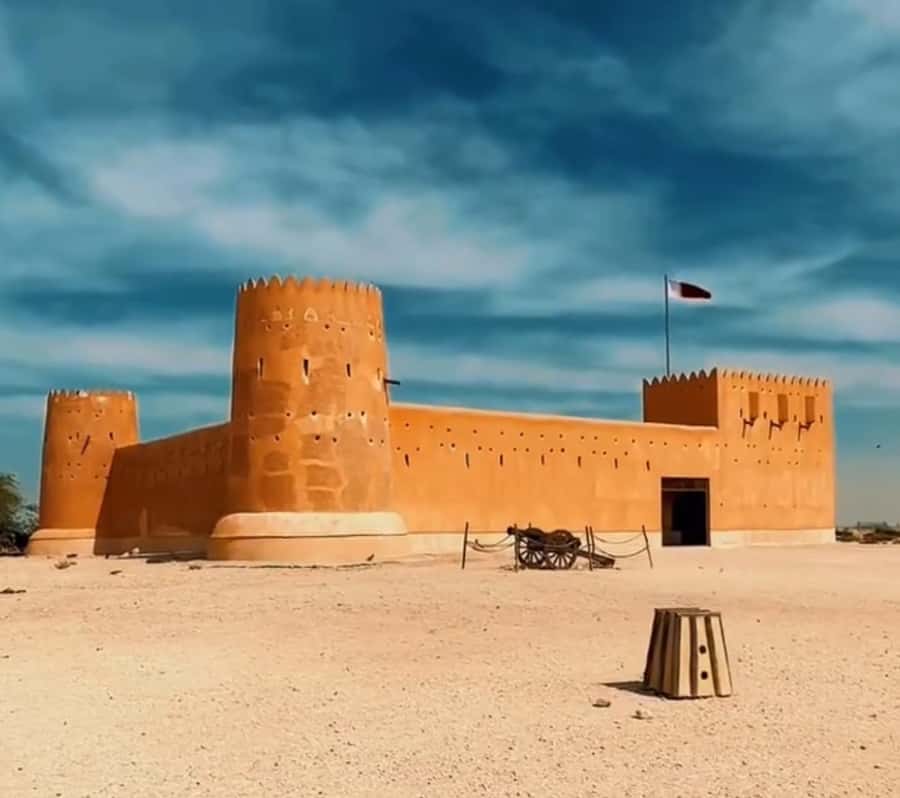
- Al Zubara Fort (UNESCO) with tea and a walk through the archaeological surroundings
- Shell-studded fort area that makes the coastal history feel real under your feet
- Al Thakira Mangroves boardwalk with birdlife views and easy photo stops
- Purple Island for a scenic stop that breaks up the day nicely
- Jumail Village ruins showing an abandoned fishing and pearling coastline
- A guide who connects the dots, with language support in English
More runs north to Al Zubarah and the empty villages
- Full Day Tour to Qatar North And West With Pickup From Doha★ 4.9 · 371 reviews
- North Qatar Half-Day Tour: Al Zubarah, Purple Island & Mangroves★ 5.0 · 337 reviews
- From Doha: Day Trip to North And West Qatar With Pickup★ 4.9 · 336 reviews
- North Qatar Tour | Zubara Fort | Purple Island | Mangros Colony★ 5.0 · 323 reviews
North Qatar beyond Doha, why this route feels special
Doha is polished and fast. North Qatar is slower, coastal, and a lot more about what people built and lived around, long before oil changed everything. That shift is why this tour feels different, even when the schedule is tight.
You’ll spend time where the Gulf’s past is readable in place names, ruins, and shoreline ecology. Al Zubara Fort is the big anchor for the story, but the rest of the day keeps it from turning into just another checkpoint tour.
And you get nature too. The mangroves and boardwalk are not window dressing, they are an active ecosystem, with birds and calm views that slow your pace without needing extra time.
Price and logistics: what $35 buys you in real terms
Let’s talk money like adults. At $35 per person for about 4 hours, you are paying for more than entry fees. You get pickup in Doha (including hotels and the airport), air-conditioned transportation, an English-speaking live guide, water, tea, and drop-off back in Doha.
That combo matters because North Qatar sites are not all clustered together in the city. Without a car, you’d be stitching together transfers and timing your day around public options. Here, the transportation is handled, so you can show up ready and leave relaxed.
One practical note: meals are not included. Water and tea are, but if you have a sensitive stomach or you like eating between stops, bring a small snack strategy. Also, plan on short walks and photo pauses, not a museum-only day.
Leaving Doha: the photo stop and the drive that sets the mood
Pickup is in Doha, then you roll out by Jeep or SUV. The ride is about 45 minutes before your first main stop, so it already feels like a real half-day excursion instead of a quick detour.
One of the early segments includes a scenic photo stop called Shadows Travelling on the Sea of the Day. Even if you’re not a professional photographer, you’ll likely appreciate it as a reset moment. The point is simple: you get your bearings, take a few photos, and shift from city time to coastline time.
From there, the drive continues toward the cultural centerpiece of the day. The timing is structured so you reach Al Zubara Fort without rushing through the surrounding scenery.
Other paddles through the Al Thakhira mangroves

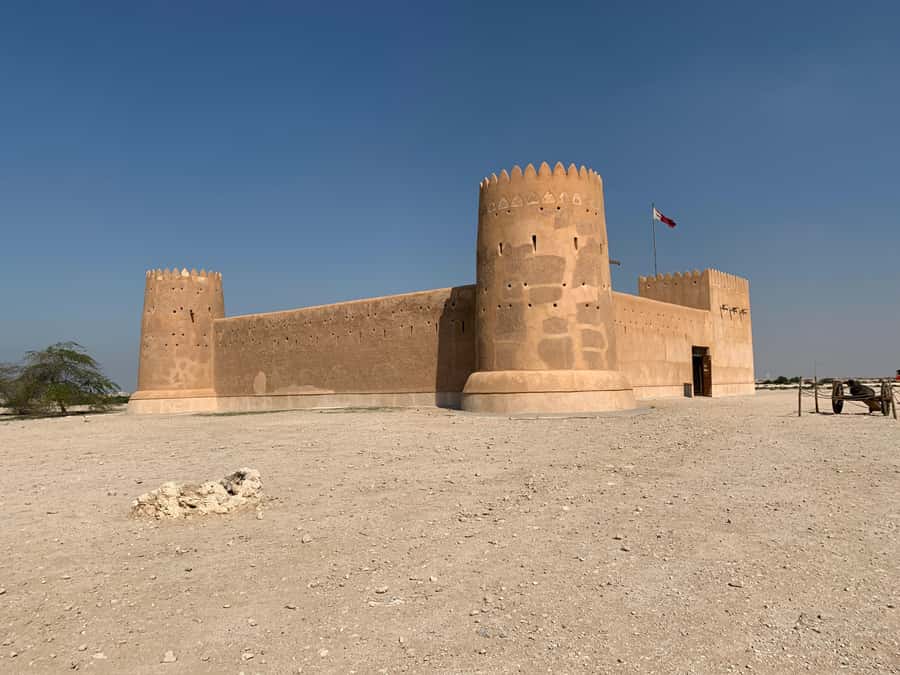
Al Zubara Fort (UNESCO): pearl-trading history you can walk on
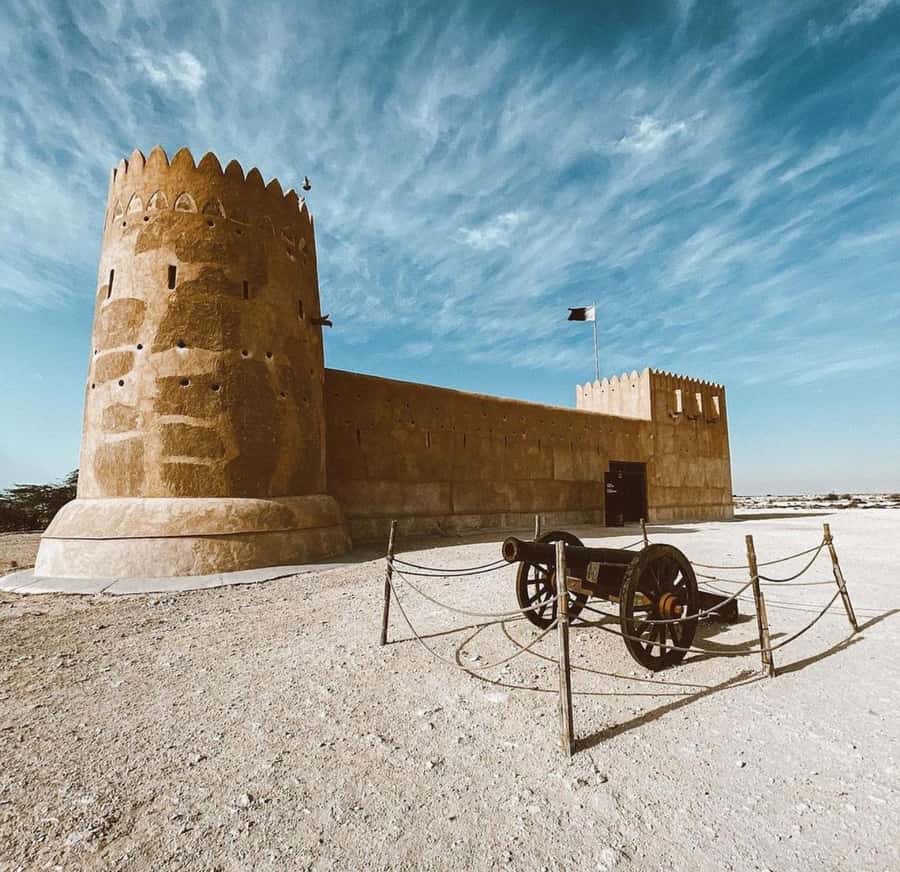
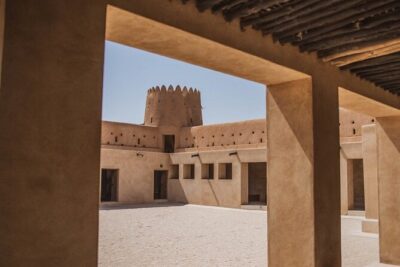
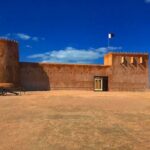
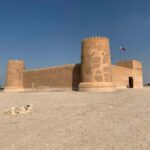
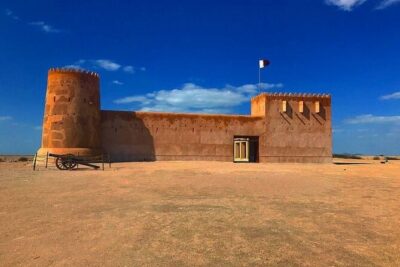
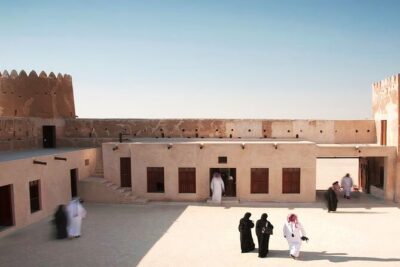
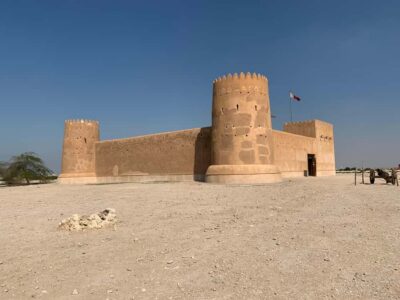
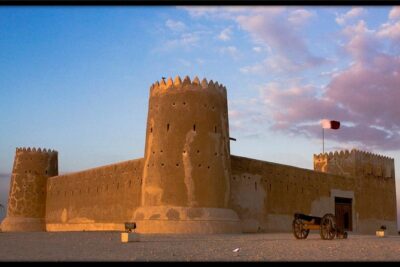
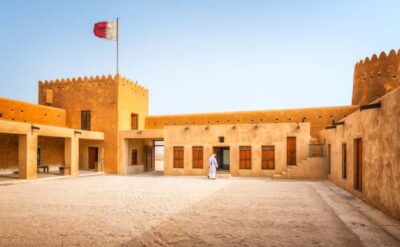
Al Zubara Fort is the star, and it earns that job. The guide focuses on Qatar’s pearl-trading past, tying the fort to how people used coastal resources before modern industry shaped daily life.
Plan for a mix of photo stops and walking. The fort area also has visual texture that makes it memorable, including the kind of ground detail you rarely get in a textbook. One detail I really liked is seeing millions of shells on the ground, which turns the site into something you feel in your feet as you explore.
Tea is included here, which sounds small, but it’s a smart pacing tool. It keeps your energy up while you’re still in the core historical segment of the tour.
Another practical win: this experience includes help with timing so you can skip the ticket line. That is the difference between spending your energy on paperwork and spending it on the view, the ruin, and the guide’s explanations.
A few considerations to keep in mind
- It is a fort and archaeology area, so surfaces can be uneven.
- There are plenty of photo chances, but you will still need to manage time for the rest of the route.
Al Khor and the fishermen villages: a coastal break with context
After the fort, the tour continues with stops that keep the coastal theme going. You’ll have a look at Al Khor, described as a coastal town with natural beauty and cultural character.
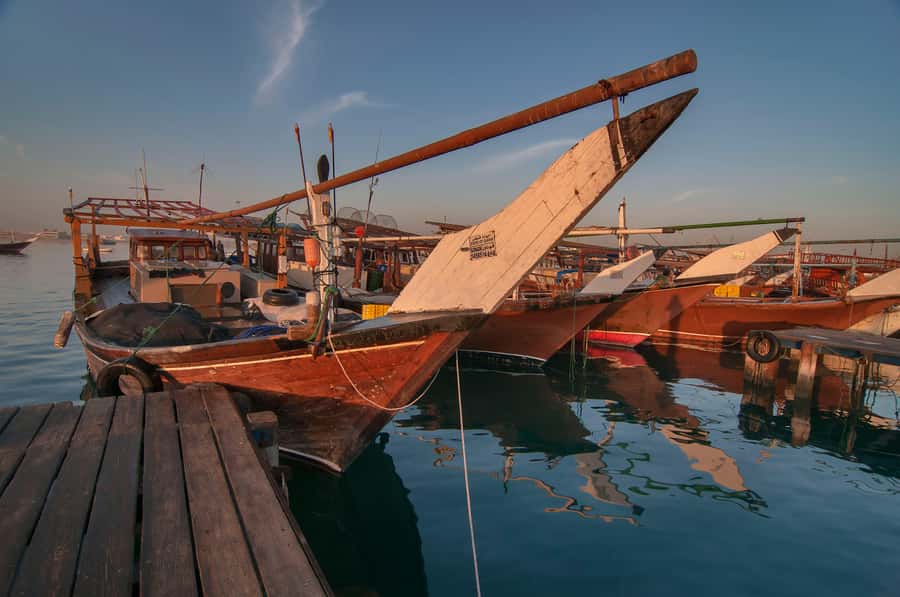
Then there’s a break segment connected to Al Areesh, a fishermen village area. This part is shorter, but it helps your brain process what you’ve just seen. You go from fort walls and trading stories to day-to-day coastal life themes, then back out onto the road again.
The value here is not only scenery. It’s the way the guide links these places: coastal communities, fishing traditions, and how the shore shaped work and settlement choices.
If you like your history with a little “here is what this place probably meant for daily life” context, this section lands well.
Purple Island and Al Thakira Mangroves: the boardwalk that slows you down
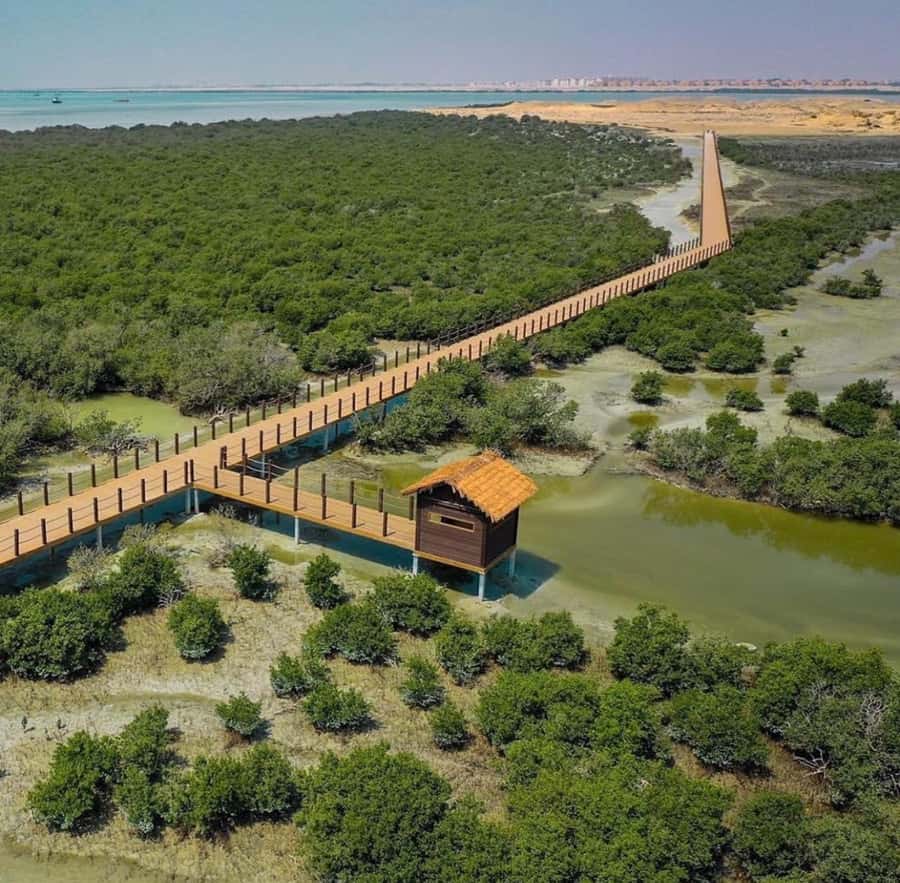
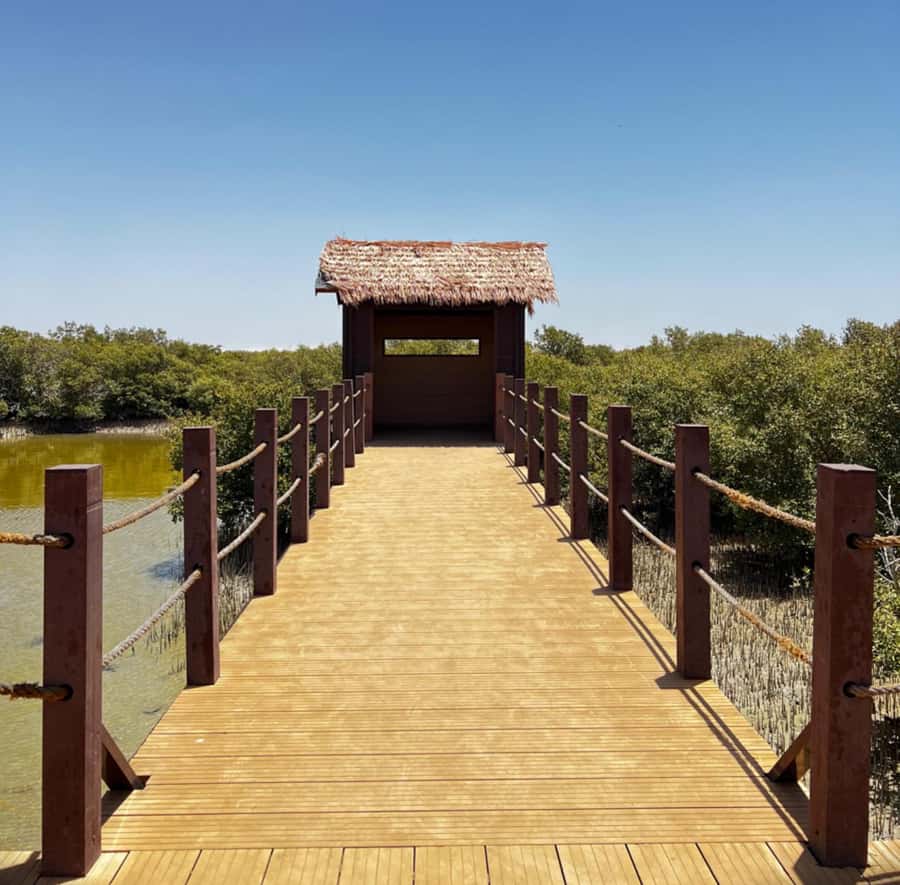
This is where the tour gives you a real break from ruins. You head to Purple Island and then on to Al Thakira Mangroves, where you walk along a wooden boardwalk.
Mangroves in the Gulf are special, and you can feel that from the calm pace of the boardwalk. The focus is on peaceful views and photo opportunities, not on racing from one viewpoint to another.
The tour also points out something practical: the ecosystem supports diverse birdlife. That means you are not just staring at trees in water. You have a reason to keep your eyes moving, to look for movement and sounds, and to take photos when the birds decide to cooperate.
One more thing I like about this segment is how it changes the texture of the day. Fort and village ruins are still, man-made, and historical. Mangroves give you motion and living nature, and that makes the day feel complete rather than “just sightseeing.”
Al Jumail Village ruins: an abandoned fishing and pearling settlement
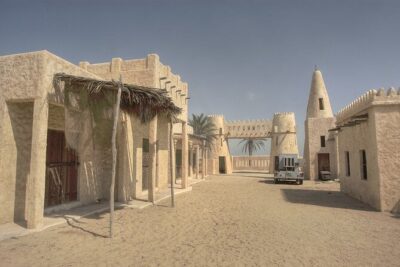
The final cultural punch is Jumail Village, an abandoned traditional fishing and pearling settlement. This is one of those places where you walk through ruins and the guide’s stories help you picture daily life before the modern world took over.
The atmosphere is different from the fort. A fort is a big statement. A village is a lived-in pattern, with spaces that suggest routines, work roles, and the rhythm of a coastal economy.
The tour frames Jumail Village as a glimpse into Qatar’s pre-oil era. Whether you are a history person or you simply like to understand how places evolved, this ending provides closure. You start with UNESCO fort history, then coast through nature, and finish with the quieter, more human-scale remains of old settlement life.
This is also a good stop if you prefer less crowded sightlines. The abandoned setting tends to feel contemplative, and it makes the storytelling land.
Guides make the day: from Rehan to Yasir to Salman Khan
The guide is not just a driver with a microphone. In this tour, guides shape how the stops connect, and the reviews show a consistent pattern: strong engagement, helpful safety awareness, and a knack for answering questions.
I’ve seen names like Rehan, Salman Khan, Yasir, and Adil tied to what people loved most. You’ll hear it in how the explanations are paced, how the guide points out what to look for on the ground, and how they handle small needs during the day.
For example, one guide approach that stands out is how some guides keep safety front of mind without making it heavy. Another is flexibility, like adjusting timing for small breaks. If you’re the type who likes to ask why something was built or how people lived there, an energetic guide turns the itinerary into a real learning day.
Bottom line: pick the tour partly for the route, but also because the guide role is clearly a big part of the experience.
What to bring: small prep that saves time
You don’t need a lot, but bring the basics that are explicitly requested. Passport is required, and a passport copy is accepted. An ID card is also listed as acceptable. Bring whichever you plan to use for check-in.
Wear comfortable shoes. You’ll be walking in fort and village areas, plus moving along the mangrove boardwalk. Bring sun protection and a light layer if you like to stay comfortable throughout the day.
Also, keep a snack plan in mind since meals are not included. Water and tea are part of the tour, but you might want something small if you know you get hungry.
Who this tour is best for, and who should think twice
This is a great fit if you want a balanced day that covers:
- UNESCO heritage and pearl-trading context
- Coastal villages and ruins that feel hands-on
- A mangrove walk with birdlife views
It also works well if you want to see North Qatar without spending half your vacation on logistics. The pickup, drop-off, and car transportation do a lot of the heavy lifting.
Who might want to think twice
- If you want lots of free time at one single site, this is a packed half-day format.
- If you hate any walking on uneven ground or boardwalk sections, you may feel it more than you expect.
But if you can handle short walks and like variety, this tour hits its sweet spot.
Should you book this North Qatar tour?
If you’re visiting Doha and you want more than city highlights, I think this tour is an easy yes. It combines UNESCO history, coastal nature, and abandoned settlement remains into one smooth 4-hour plan, with transport and English guidance already taken care of.
Book it especially if you care about understanding how Qatar worked before modern development. Al Zubara Fort and Jumail Village give you that pre-oil perspective, and the mangroves add a living, breathing counterpoint.
The main reason not to book is simple: if you need full meal service or you want long, slow time in just one place. Otherwise, for $35 and a half-day, you’re getting a lot of meaningful variety, and you’re not wasting your energy on getting there.
FAQ
How long is the tour?
The tour duration is 4 hours.
Where does pickup happen?
Pickup is in Doha, and it can be arranged through hotels and the airport.
Is there an English-speaking guide?
Yes, the tour includes a live English-speaking tour guide.
What is included in the price?
The tour includes pickup by air-conditioned car, transportation, an English-speaking tour guide, water, tea, and drop-off service.
Are meals included?
No, meals are not included.
Which key sites are part of the tour?
You visit Al Zubara Fort (UNESCO World Heritage Site), and you also include stops such as Purple Island and Al Thakira Mangroves, plus Al Jumail Village. The tour also includes coastal and fishermen village areas like Al Khor and Al Areesh.
What documents should I bring?
Bring your passport, and a copy is accepted. You can also use a passport or ID card, as listed by the tour information.
Everything Else We Have Reviewed in Qatar
- Qatar Gold Dune Safari, Dune Bashing,Camel Ride,Sand Boarding,Inland Sea Desert
★ 5.0 · 2,807 reviews





More Paddling at Purple Island



Al Zubarah and the North, More Trips
Recently reviewed around Qatar
- Private Wakesurfing or Wakeboarding along Doha’s skyline
★ 5.0 · 3 reviews - Doha: West Coast Tour Sculpture,Camel Racing Track Rock Formation
★ 5.0 · 3 reviews - Sunset Keshta at Zekreet | Art, Adventure & Arabian Picnic
★ 5.0 · 3 reviews - Qatar West Coast Zkreet Richard Sierra Camel Track Rock Formation
★ 5.0 · 3 reviews - Private Tour to Zubara Fort Purple Island and Olafur Eliasson
★ 5.0 · 3 reviews
Al Zubarah Fort & the North, compared.
 ★ 4.9Full Day Tour to Qatar North And West With Pickup From DohaFrom $66371 reviews
 ★ 5.0North Qatar Half-Day Tour: Al Zubarah, Purple Island & MangrovesFrom $50337 reviews
 ★ 4.9From Doha: Day Trip to North And West Qatar With PickupFrom $71336 reviews
 ★ 5.0North Qatar Tour | Zubara Fort | Purple Island | Mangros ColonyFrom $77323 reviews
★ 5.0Full Day Tour to Qatar North And West With Pickup From DohaFrom $140288 reviews
★ 5.0North Qatar Tour | Zubara Fort | Purple Island | Mangros ColonyFrom $77323 reviews
★ 5.0Full Day Tour to Qatar North And West With Pickup From DohaFrom $140288 reviews
 ★ 4.9Doha North Qatar Tour Zubara Fort, Mangroves, Jumail VillageFrom $59267 reviews
 ★ 5.0Full Day Qatar’s North And West tour || History & HeritageFrom $165229 reviews
 ★ 5.0Full-Day Tour Qatar North And WestFrom $153160 reviews
Browse the lists this tour appears in