
REVIEW · THE PEARL, KATARA & LUSAIL
Katara Cultural Village Doha
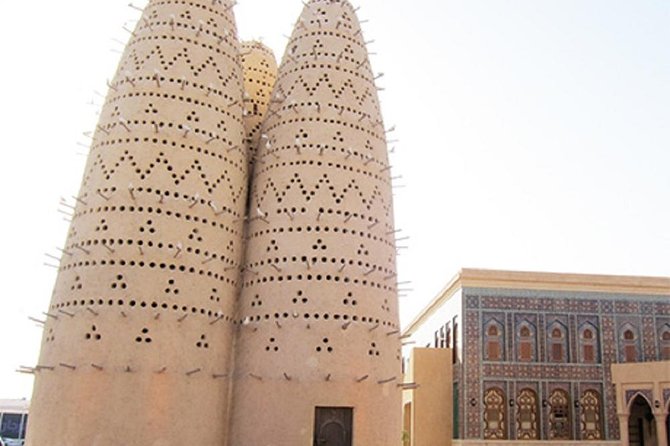
A perfect Doha photo stop, in a real courtyard. What makes Katara Cultural Village so compelling is how it feels like an art set you can actually walk through, with shaded alleys that make strolling doable even when the heat presses in. I also like the “wait, that does not look like typical Doha” architecture mix, including the way the Amphitheatre and Opera House borrow styles from different worlds. One consideration, though: access can vary day to day, and you may find some buildings closed, so plan for mostly exterior exploring.
This is a private 2-hour outing with hotel or port pickup and drop-off, plus a driver/guide and an admission ticket so you can spend your time looking, not figuring. You also get bottled water, which sounds small until you are doing photo stops and slow wandering for real.
In This Review
- Key things I’d mark on your mental map
- Doha’s Katara Cultural Village: what you are really paying for
- Strolling Katara’s shaded alleys and the Amphitheatre you can’t miss
- The Opera House stop: an architectural “mixing bowl” you can photograph
- Price and what $130 buys you in the real world
- Private tour pacing: why the 2 hours feels right
- The best time to go, based on how Katara feels to walk
- Who this tour suits (and who might want a different option)
- Should you book Katara Cultural Village Doha?
- FAQ
- How long is the Katara Cultural Village Doha tour?
- Where does the tour take place?
- What is included in the price?
- Is the admission ticket included?
- Is pickup offered?
- Is this tour private?
- What ticket delivery method should I expect?
- Do I need to tip?
- How far in advance is this tour commonly booked?
- What is the cancellation policy?
- Is the tour suitable for most visitors?
Key things I’d mark on your mental map
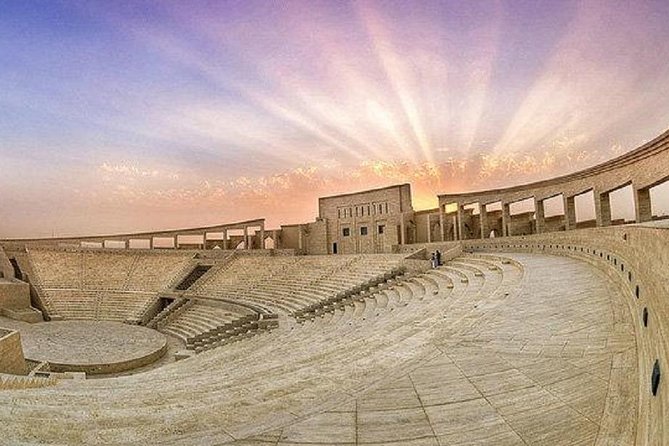
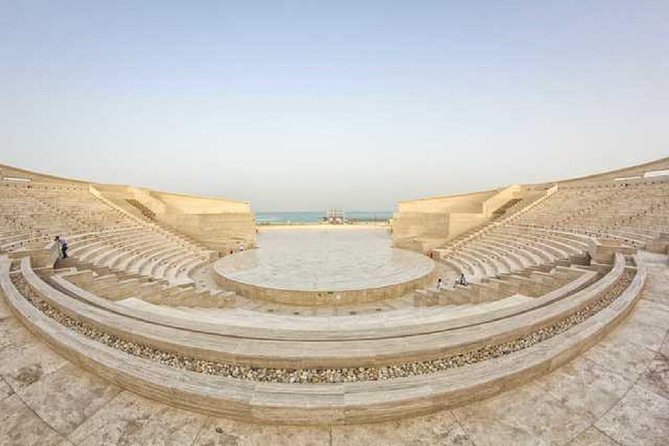
- Fusion architecture everywhere: Qatari traditional design paired with an unexpected Greek-theatre feel at the Amphitheatre.
- Shaded walking paths: the best kind of sightseeing when the sun is doing its thing.
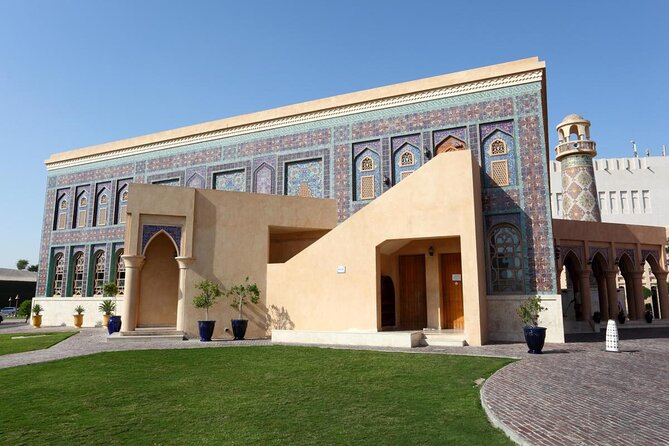
- Opera House style you can spot fast: Oriental and late Victorian design cues in one landmark building.
- A focused 2-hour visit: you get a clean cultural hit without burning a whole day.
- Pickup and drop-off included: less time in Doha traffic planning, more time at Katara.
- Mobile ticket convenience: easy to use once you are on the move.
Other stops around The Pearl, Katara and Lusail
- Doha City Tour | Souq Waqif | Courniche | The Pearl | Katara etc★ 5.0 · 946 reviews
- Doha City Tour: Guided Tour to Souq Waqif, Katara, Pearl Island★ 5.0 · 161 reviews
- Doha City Tour: Souq Waqif, Katara, The Pearl, and Corniche★ 5.0 · 150 reviews
- Kayaking at the Pearl | at MIA Park★ 5.0 · 138 reviews
Doha’s Katara Cultural Village: what you are really paying for
Katara Cultural Village is one of those places that gives you a different angle on Doha. Instead of modern glass and clean lines you might expect elsewhere, Katara leans hard into traditional Qatari architectural cues, then mixes them with other style influences. The result is a compound that feels designed for culture and creativity, not just sightseeing.
You can see it in how the site is set up. It is meant to host cultural, creative, intellectual, and artistic activity, including events like carnivals, symposiums, exhibitions, concerts, and social gatherings. Even when the biggest event is not running at your exact time, the overall setup still supports that vibe. It is the kind of place where you can wander and feel like you are part of something planned, even if you are just there for a short visit.
And yes, the reviews-style reactions you will hear in Doha are predictable for a reason. Katara can feel oddly otherworldly, like you are not in the middle of the Gulf. I find that effect most noticeable when you switch from walking out in the open to stepping into shade and seeing the architecture do its work.
Strolling Katara’s shaded alleys and the Amphitheatre you can’t miss
Your first stop is the Katara complex itself, built to epitomize Qatari traditional architecture. That phrase gets tossed around a lot, but here it means you are walking through a designed environment where buildings and street corners look like they belong together.
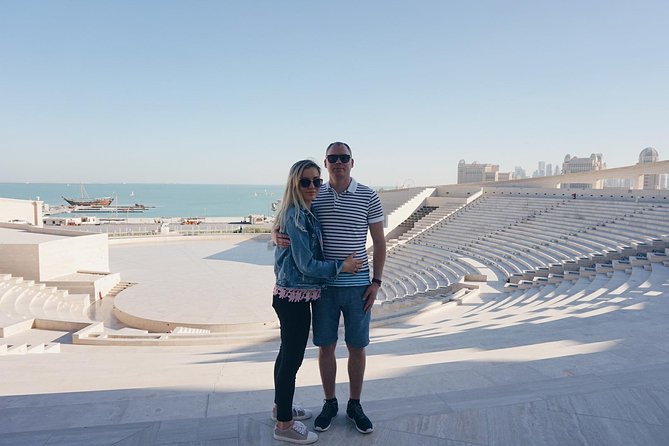
The biggest visual anchor is the Katara Amphitheatre. It is described as an architectural beauty, created as a fusion of Islamic features and the classical Greek theatre concept. That mix is not subtle. If you like architecture, this is where you start noticing shapes, proportions, and the way the structure relates to the surrounding space.
The other reason this stop works well in real life is the practical one: shade. One of the most repeated impressions from people who walk Katara is how pleasant it is to get lost in shaded alleys. In Doha, that matters. If you spend time outside with little cover, the sightseeing math changes fast. Katara gives you more opportunities to slow down, take photos, and actually enjoy the walk instead of rushing through it.
What can be a drawback is timing and access. I would not assume you can freely enter every building every day. Some days you may only get the outdoor experience, and certain interiors might be off limits. That is not a dealbreaker, but it does affect expectations. If you are the kind of visitor who wants guaranteed interior access, you should treat this as an outdoor and architectural exploration first.
The Opera House stop: an architectural “mixing bowl” you can photograph
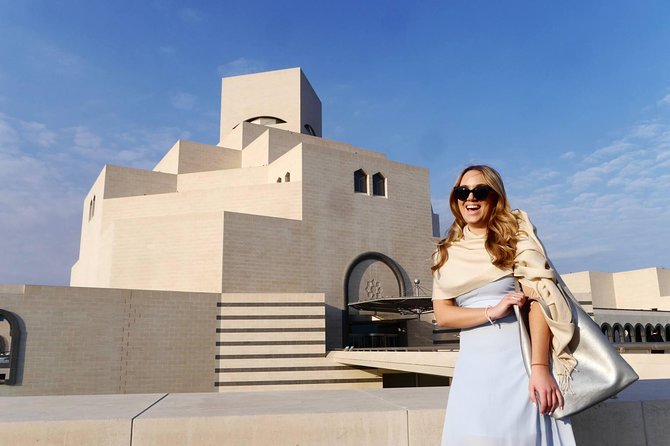
After you get your bearings in Katara, you move to the Opera House. The Opera House here is described as a lavish cultural experience with a blend of Oriental and late Victorian architectural styles.
That might sound abstract until you see what style blending looks like in stone and structure. You get the feeling that the building was designed to be read from multiple angles, with details that cue different eras and influences. For photo lovers, that is the sweet spot. You are not photographing one bland facade. You are photographing something with layers.
Even if the Opera House is not hosting a performance during your visit, it still functions as a landmark in the complex. Think of it as a “stop to look closely” moment, not only a “stop to buy tickets” moment. The guide and your private group format help here because you can slow down without feeling like you are holding a public tour line.
One thing to keep in mind: the word lavish can set you up for a lot of visual drama, but your real experience depends on what is open at the time you arrive. Again, not everything is guaranteed to be entered. If you show up with flexibility, you will likely enjoy it more. If you show up with a checklist of interior rooms, you might feel slightly frustrated.



Price and what $130 buys you in the real world
The price is $130.00 per person for a 2-hour private experience in Doha. On the surface, that sounds like a lot for a short outing, but you should judge it by what is included, because this one packs in several cost items together.
Included in the total price are:
- entrance fees
- fuel surcharge and local taxes
- bottled water
- an admission ticket
- driver/guide
- hotel or port pickup and drop-off
- private transportation, round trip transfer
That combination is where the value comes from. You are not just paying for someone to point at buildings. You are paying for admission-related access and the logistics. Doha can be a “time-cost” city if you are self-navigating, especially if you are fitting Katara around hotel plans or a cruise port schedule. A private round-trip transfer reduces friction and helps you keep the visit focused.
Also, bottled water is included. It is a small line item, but in heat-based sightseeing, you appreciate it more than you expect. You are more likely to spend your effort on walking and photos instead of hunting for a drink.
What is not included is tipping. That is normal, but it is worth budgeting for if you like to handle tipping smoothly.
Private tour pacing: why the 2 hours feels right
This experience runs about 2 hours, so it is not a full-day “Doha culture marathon.” I like that. Katara is the kind of place where you enjoy the details, but you also want to avoid getting stuck in a long visit without breaks, shade, or a clear end point.
Because it is private, the pacing can match your style. If you love architecture and want an extra minute at the Amphitheatre angles, you can usually take it. If you are more focused on quick photos and then moving on to something else, the tour keeps you moving.
There is also a comfort factor in having pickup from your hotel or the port. You start closer to the experience, and you end with the same convenience. That matters when you are traveling with limited time or when you are balancing other Doha plans.
The mobile ticket part is another small convenience. It is meant to reduce paper chaos, so once you are at Katara, you can get to the sightseeing rather than checking email confirmations and screenshots.
The best time to go, based on how Katara feels to walk
You cannot control the weather, but you can control your expectations. Katara is built for walking. People consistently highlight the pleasure of losing track in shaded alleys, which tells me the site is best when you can appreciate shade and architecture at a relaxed pace.
In practice, that usually means earlier in the day or when the heat is lower, so your photos do not turn into a sprint. If you arrive when the sun is harsh, at least Katara offers cover in key walking areas, so you are not completely exposed.
Also consider your priorities. If you care most about architecture, you will do well at any time as long as you can walk comfortably. If you care most about entering buildings, you should treat the day as flexible. Since access can vary, plan your mindset around exterior and courtyard exploring first.
Who this tour suits (and who might want a different option)
This is a great fit if you want:
- a short, focused cultural outing in Doha
- a place that mixes traditional Qatari architecture with surprising style influences
- an experience with practical logistics handled for you
- a private format where you can set your own pace
It is also a nice choice if you are visiting with someone who likes photos and strolling but you want a clear end time.
You might skip or adjust expectations if:
- you require guaranteed interior access to specific buildings
- you want a long deep cultural program with multiple stops beyond Katara and the Opera House
- you are looking for a budget-only option, since $130 is priced as a private transfer and admission bundle
Should you book Katara Cultural Village Doha?
If you want a high-impact Doha stop in only 2 hours, I think this is a strong booking. The combination of admission ticket, private transport, and a driver/guide means you spend your time on the architecture and the strolling. And Katara’s design, especially the Amphitheatre fusion and the Opera House style blend, is the kind of sight you feel immediately, even before you read any signage.
The only real caution is expectation management. Treat this as a walk-and-look experience first, with the understanding that some buildings may be closed. If you go with that mindset, you will likely leave with that “how is this in Doha?” feeling, and a stack of photos that look like you stepped into a designed world.
FAQ
How long is the Katara Cultural Village Doha tour?
It is about 2 hours.
Where does the tour take place?
In Doha, Qatar, at Katara Cultural Village and the Opera House area within the complex.
What is included in the price?
Entrance fees, fuel surcharge, local taxes, bottled water, admission ticket, driver/guide, hotel or port pickup and drop-off, and private round-trip transportation.
Is the admission ticket included?
Yes. The admission ticket is included.
Is pickup offered?
Yes. The tour includes hotel or port pickup and drop-off.
Is this tour private?
Yes. It is a private tour/activity, and only your group participates.
What ticket delivery method should I expect?
You get a mobile ticket.
Do I need to tip?
Tipping is not included.
How far in advance is this tour commonly booked?
On average, it is booked 21 days in advance.
What is the cancellation policy?
You can cancel for free up to 24 hours in advance of the experience start time for a full refund.
Is the tour suitable for most visitors?
Most travelers can participate.
Everything Else We Have Reviewed in Qatar
- Qatar Gold Dune Safari, Dune Bashing,Camel Ride,Sand Boarding,Inland Sea Desert
★ 5.0 · 2,807 reviews





More of The Pearl, Katara and Lusail



Recently reviewed around Qatar
- Private Wakesurfing or Wakeboarding along Doha’s skyline
★ 5.0 · 3 reviews - Doha: West Coast Tour Sculpture,Camel Racing Track Rock Formation
★ 5.0 · 3 reviews - Sunset Keshta at Zekreet | Art, Adventure & Arabian Picnic
★ 5.0 · 3 reviews - Qatar West Coast Zkreet Richard Sierra Camel Track Rock Formation
★ 5.0 · 3 reviews - Private Tour to Zubara Fort Purple Island and Olafur Eliasson
★ 5.0 · 3 reviews
The Pearl, Katara & Lusail, compared.
 ★ 5.0Doha City Tour: Guided Tour to Souq Waqif, Katara, Pearl IslandFrom $55161 reviews
 ★ 5.0Doha City Tour: Souq Waqif, Katara, The Pearl, and CornicheFrom $55150 reviews
 ★ 5.0Kayaking at the Pearl | at MIA ParkFrom $82138 reviews
 ★ 5.0Doha Guided City Tour Souq Waqif, Katara, Pearl QatarFrom $5599 reviews
 ★ 4.6Lusail: Meryal Waterpark Entry TicketFrom $8559 reviews
 ★ 5.0Pearl Island Food Tour – 7 Tastings, AC VehicleFrom $9956 reviews
 ★ 5.0Private City Tour of Doha |Souq Wagif,Corniche,The pearl, KataraFrom $6553 reviews
 ★ 5.0Doha Night City Tour,Souq waqif, Katara, Pearl Qatar,Lusail CityFrom $6243 reviews
Browse the lists this tour appears in